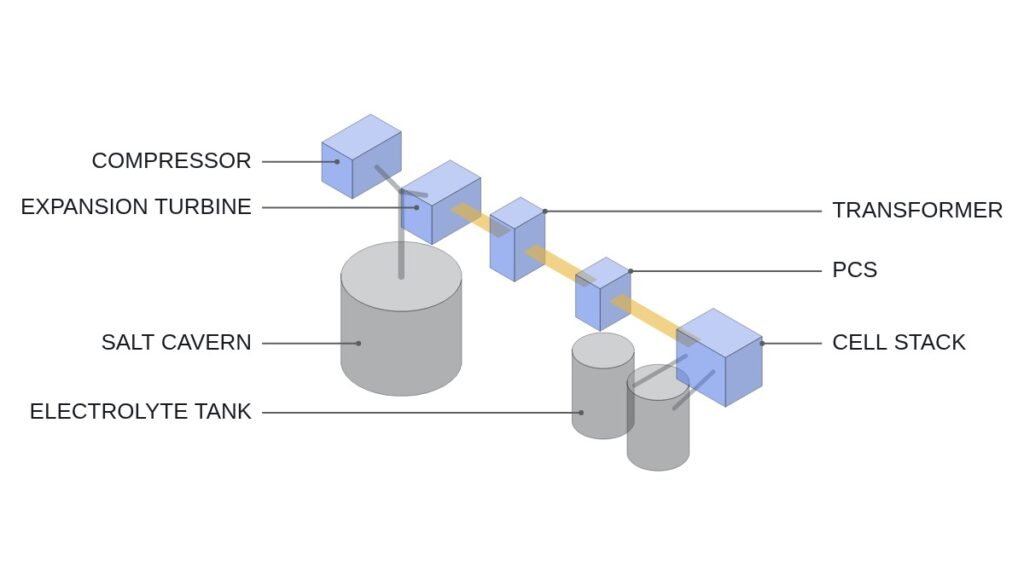
CAES vs Redox Flow Batteries — Does Geology Provide the Storage Vessel, or Do You Buy It?
CAES and flow batteries both decouple power from energy, but their storage vessels differ. Energy-per-volume math and site-based selection criteria.
CAES and flow batteries both decouple power from energy, but their storage vessels differ. Energy-per-volume math and site-based selection criteria.
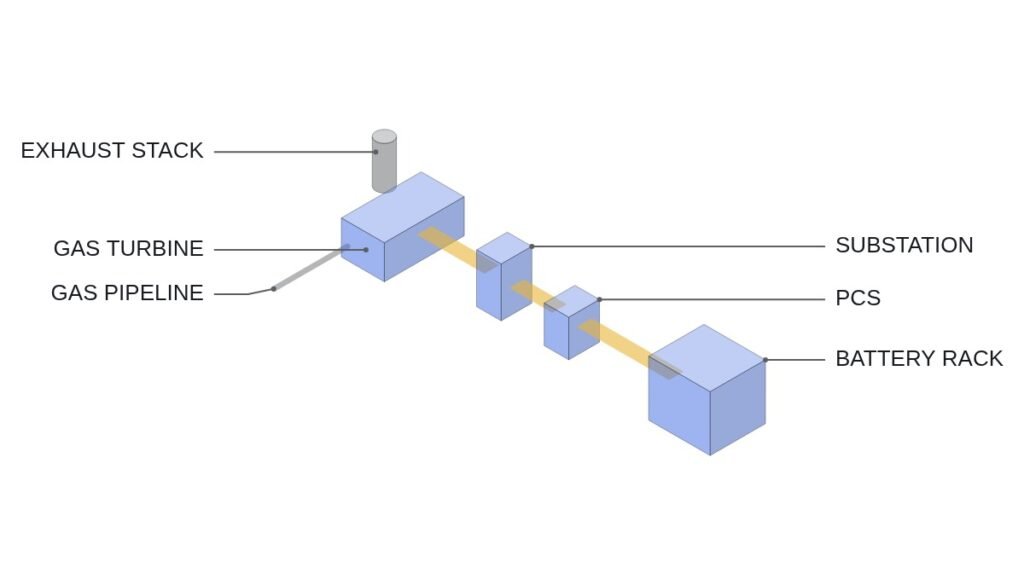
What separates a gas turbine peaker from BESS in peak response is how many days in a row peaks last. Charging-window math and criteria by peak type.
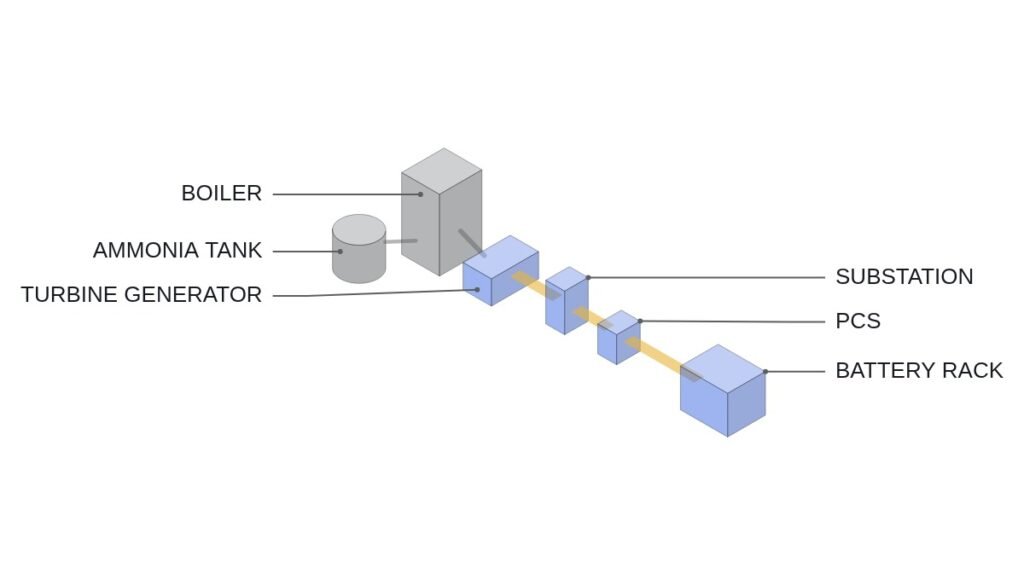
The key asset of a coal site is its grid connection, not the boiler. How the three conversion paths split on annual energy and inertia requirements.
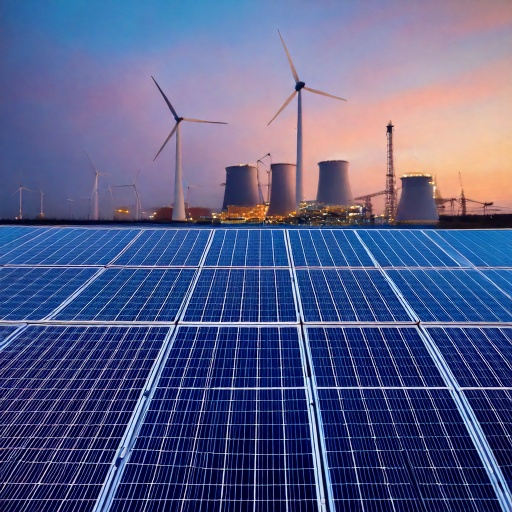
LCOE converts construction cost, operating cost and lifetime into a single metric for comparing different generation sources, but it leaves out the firming and grid costs that often decide the real answer.
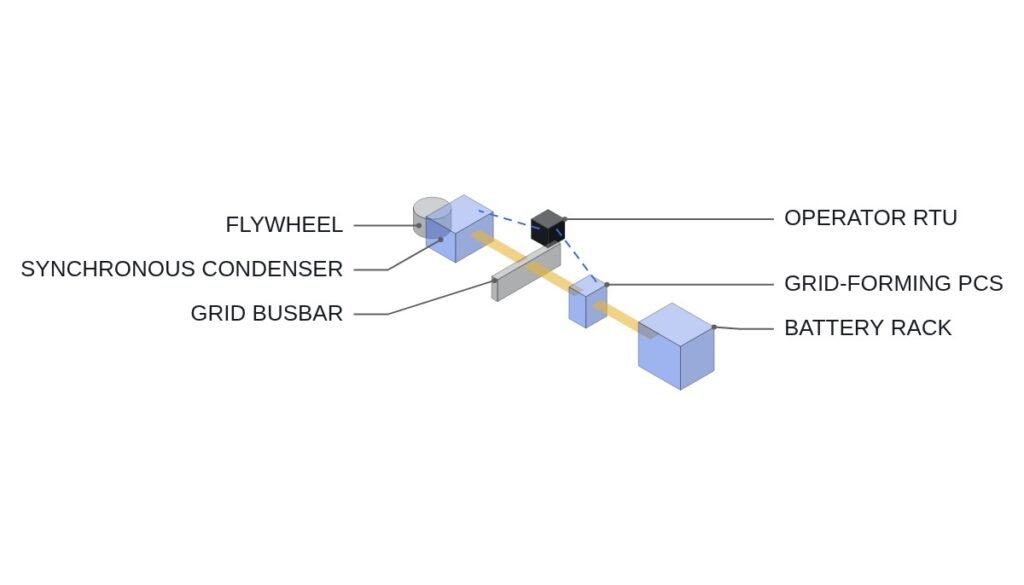
Inertial response needs only kWh-scale energy. The real cost drivers of synchronous condensers and grid-forming BESS, and how short-circuit needs decide.
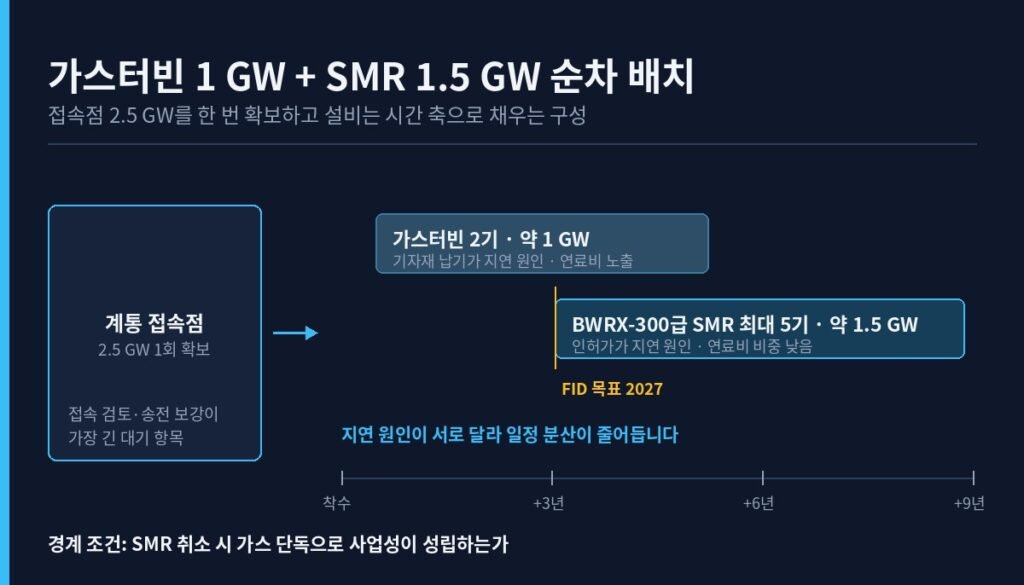
The 2.5 GW gas-plus-SMR contract in Texas is not a choice of source but a sequential deployment that uses one connection point twice. Where it wins, and the boundary conditions that flip it.
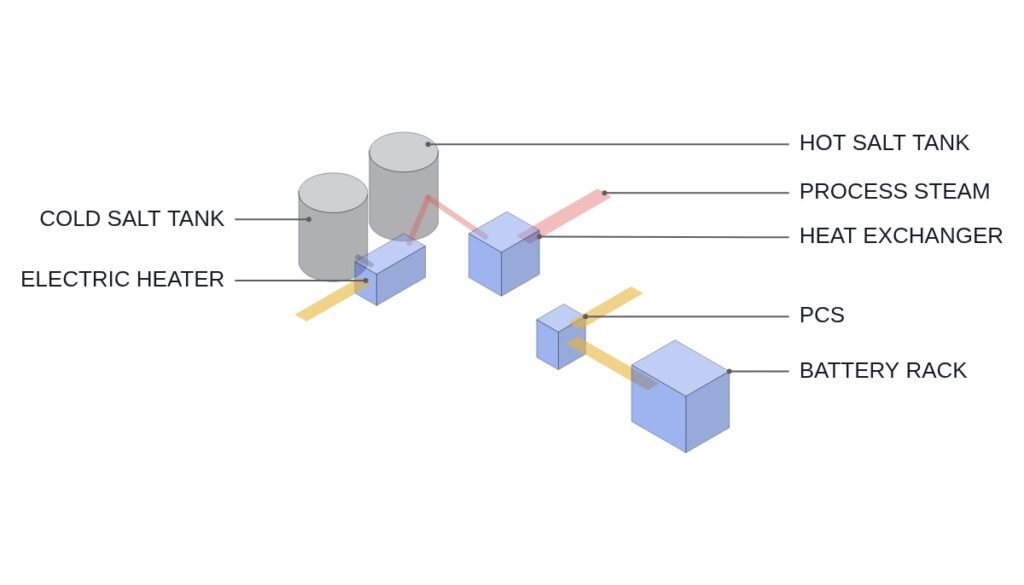
What separates thermal storage from batteries is whether stored energy ends up as heat or electricity. Path efficiencies and molten salt sizing math.
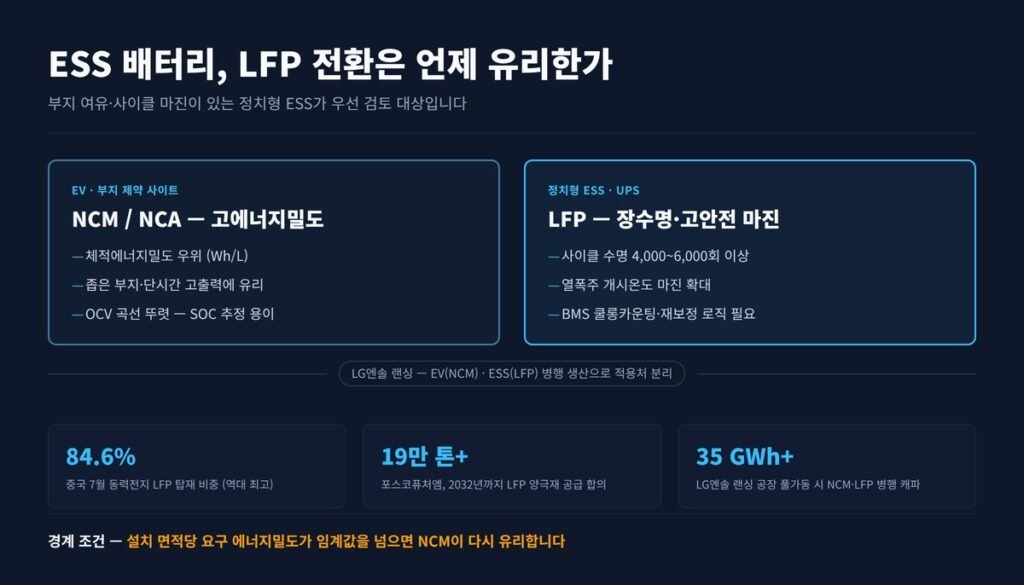
An electrical engineer’s reading of LG Energy Solution’s parallel NCM and LFP production at Lansing, laying out when switching ESS cell chemistry pays off and where that advantage flips.
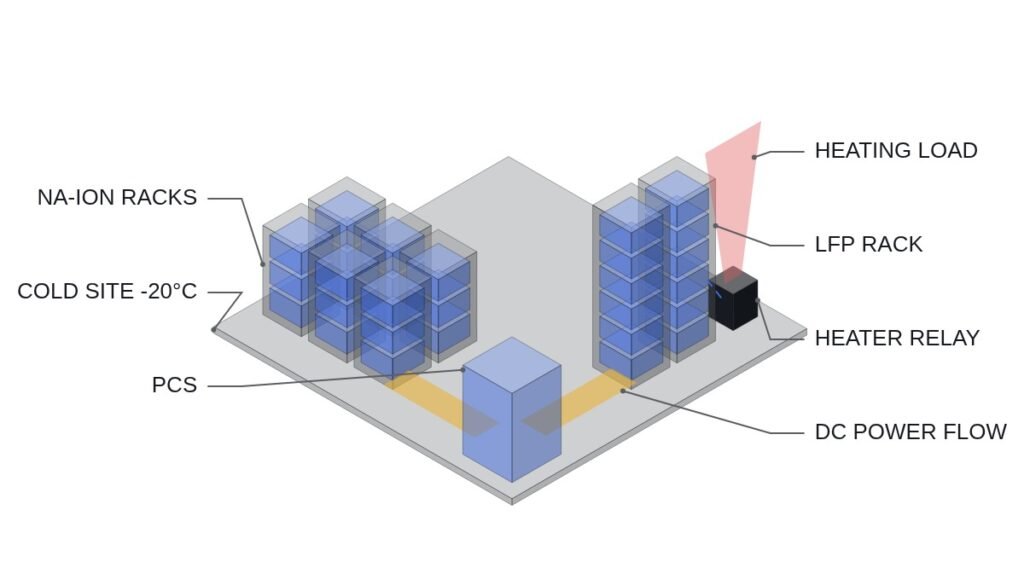
An electrical engineer’s reading of the CATL-SolarPro sodium-ion ESS contract: where cold climate and supply chain risk come first, and where energy density per footprint decides.
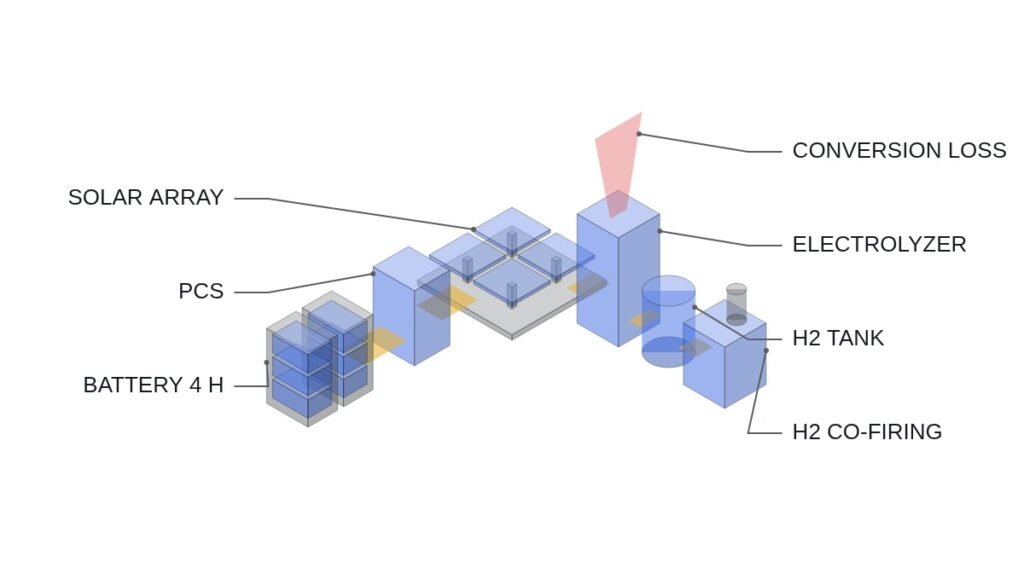
An LCOE comparison of solar-plus-ESS and green hydrogen co-firing. The application splits at a discharge duration of 4 hours.