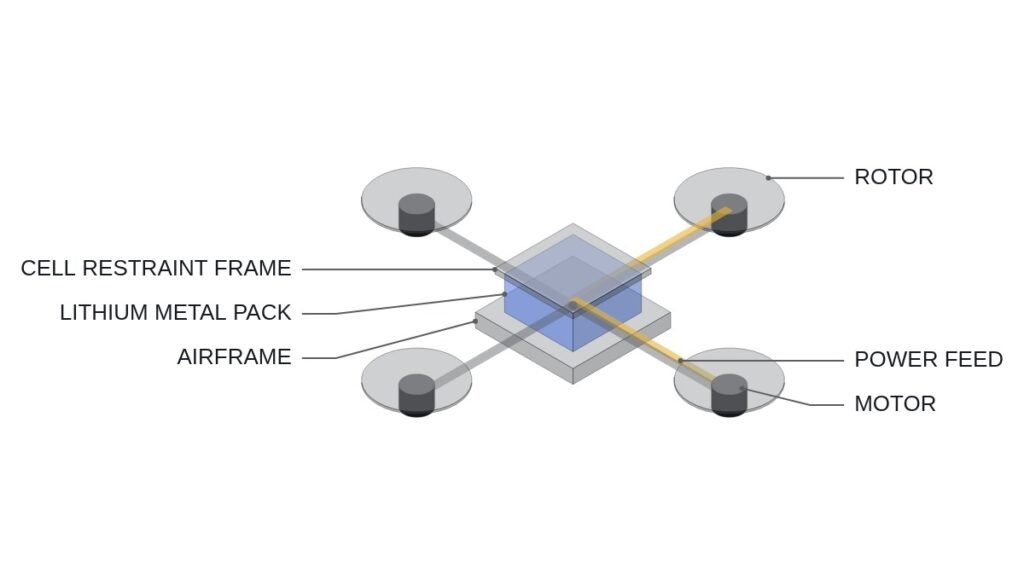
Lithium-metal and lithium-sulfur cells: where they beat lithium-ion first
Lithium-metal and lithium-sulfur gain Wh/kg but give up life and volume. Aircraft, where pack-level weight gain beats life cost, come first.

Lithium-metal and lithium-sulfur gain Wh/kg but give up life and volume. Aircraft, where pack-level weight gain beats life cost, come first.
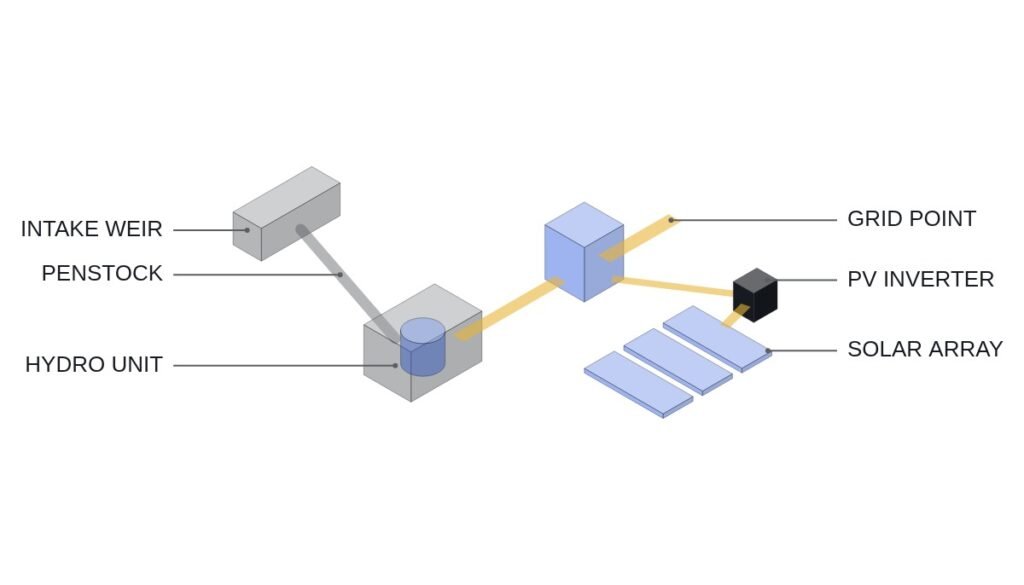
At the same kW, small hydro leads on timing and predictability, solar on speed and simplicity. Flow duration curves, minimum operating flow, and overspeed protection decide.
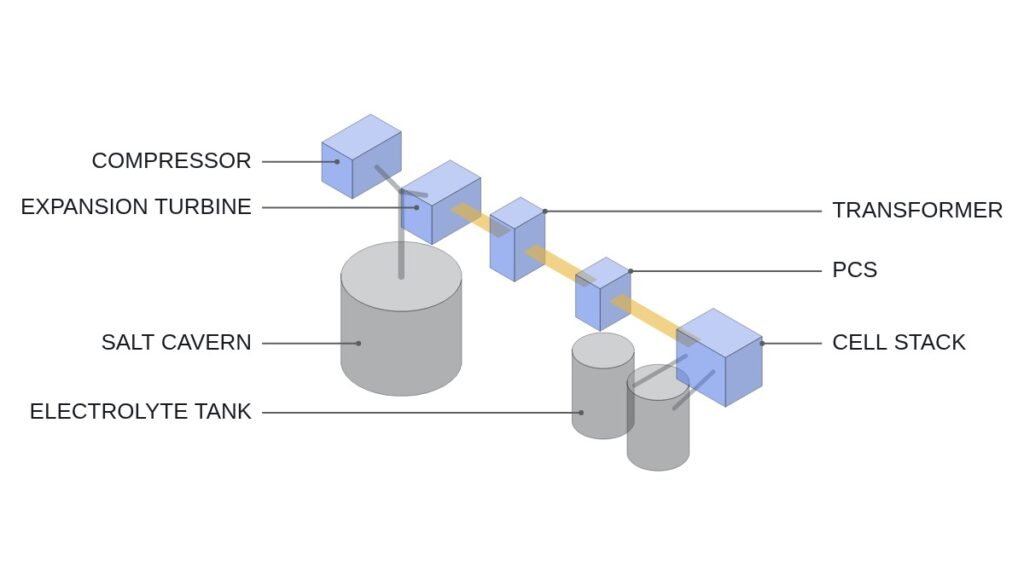
CAES and flow batteries both decouple power from energy, but their storage vessels differ. Energy-per-volume math and site-based selection criteria.
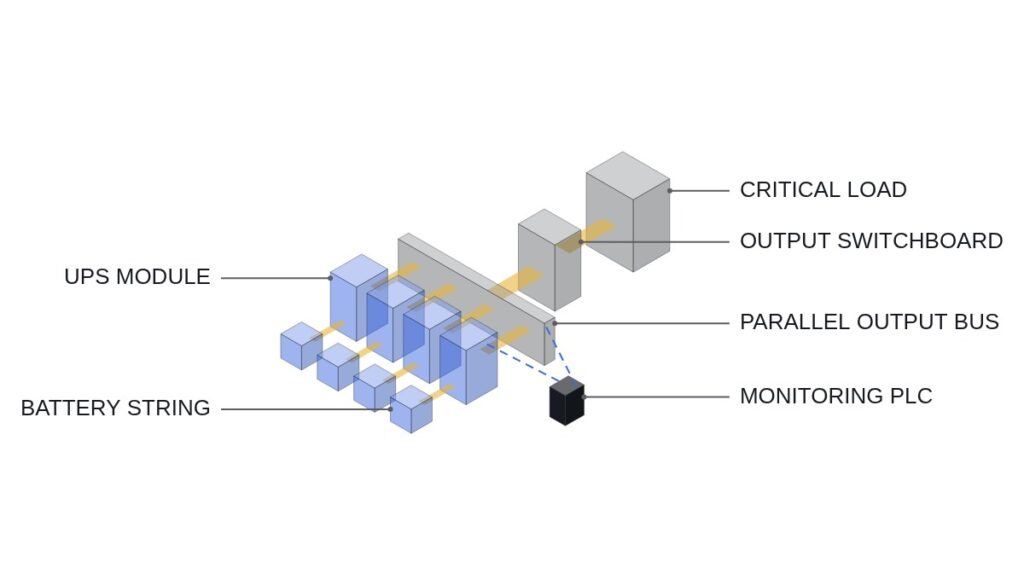
N+1 and 2N differ in where the single point of failure remains. How load growth silently drops N+1 to N, and a load-ratio-based redundancy-loss logic.
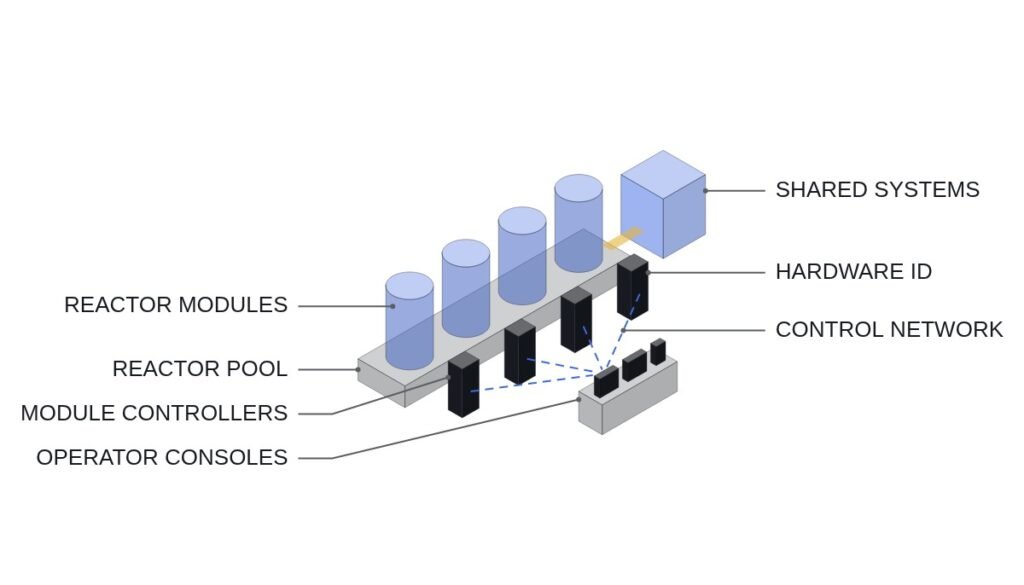
Operating several SMR modules from one control room: end-to-end checks of module identifier and authority token at the module controller, plus shared system concurrency limits.
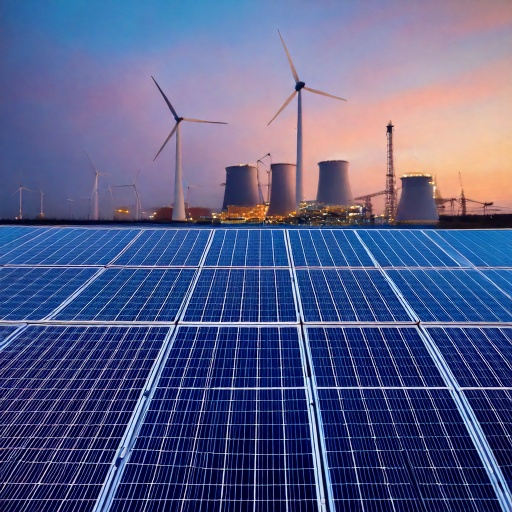
LCOE converts construction cost, operating cost and lifetime into a single metric for comparing different generation sources, but it leaves out the firming and grid costs that often decide the real answer.
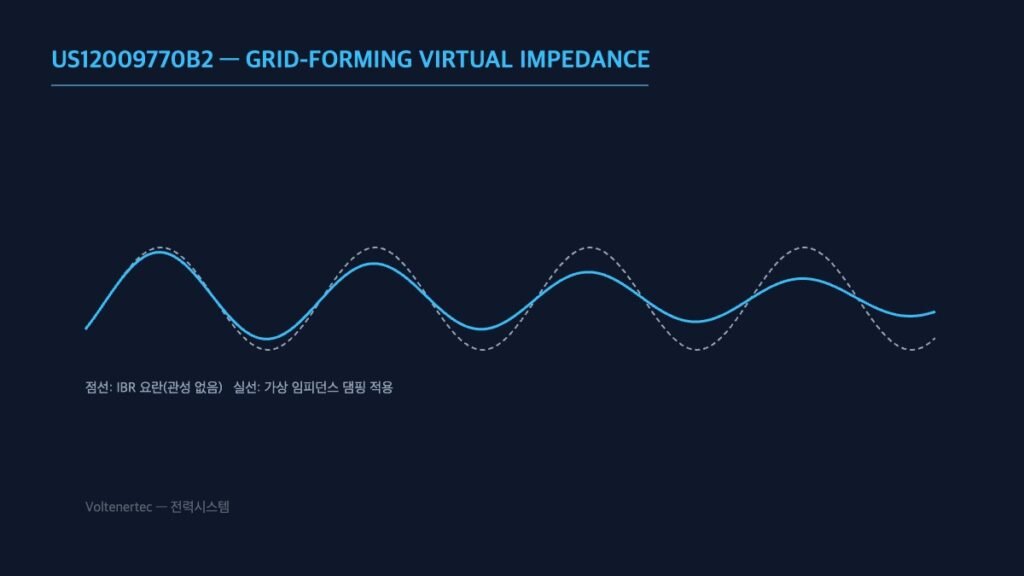
GE Vernova’s grid-forming inverter virtual impedance tuning patent US12009770B2 and the limits of applying it.
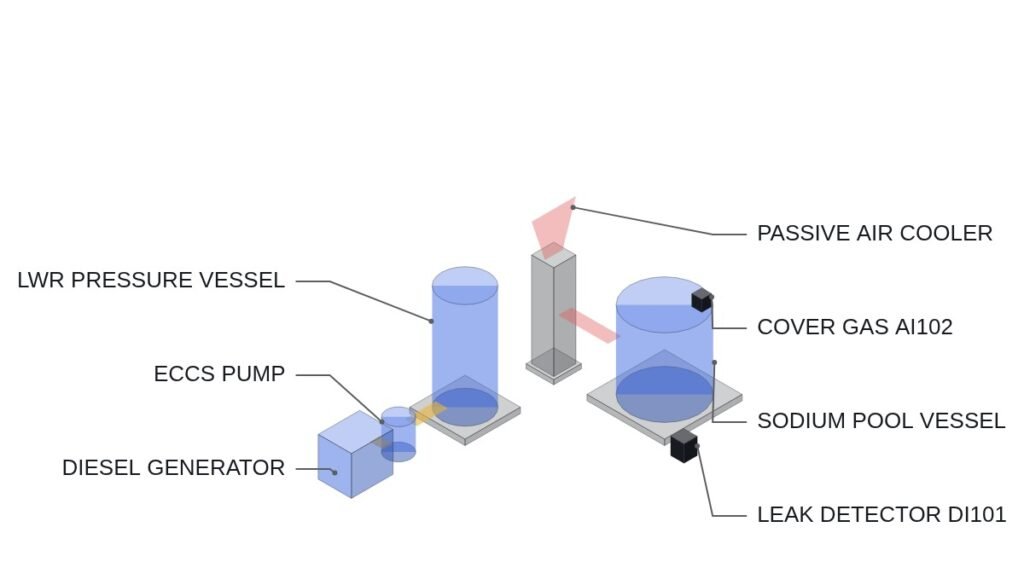
Prompted by the Doosan Enerbility-TerraPower sodium-cooled SMR equipment contract, an electrical engineer’s look at how SFR protection trip logic and instrumentation signals differ from those of a light water reactor.
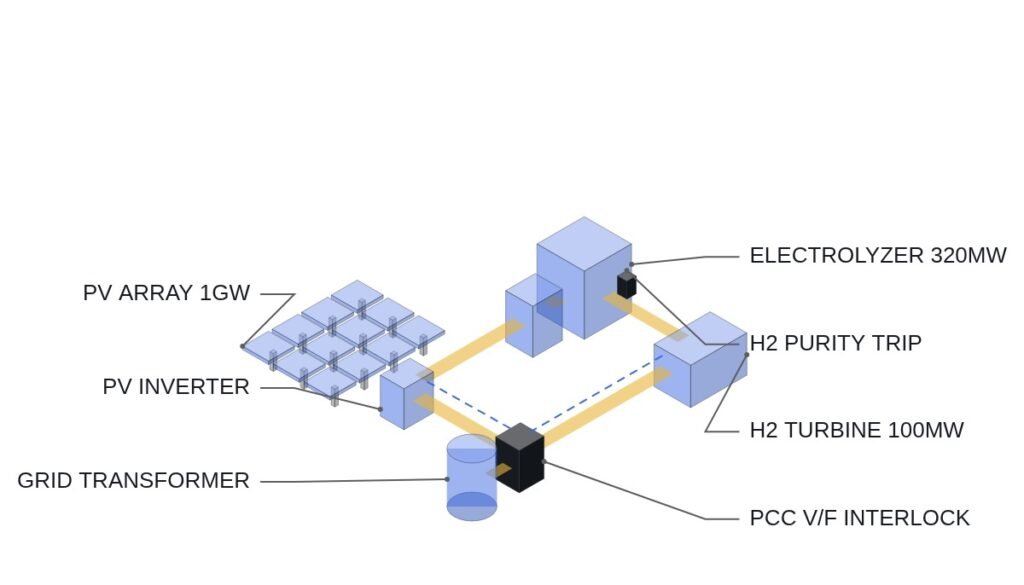
Based on the 1 GW solar, 320 MW electrolysis and 100 MW hydrogen power complex MOU, the interlock priorities for PV, electrolyser and hydrogen turbine grid connection.

Jeju will host a five-year AI-based distributed energy demonstration covering an energy-zero housing complex, a V2G charging station and a non-lithium ESS smart farm. How to design the connection boundary so AI schedule recommendations never bypass the distribution grid interlock.