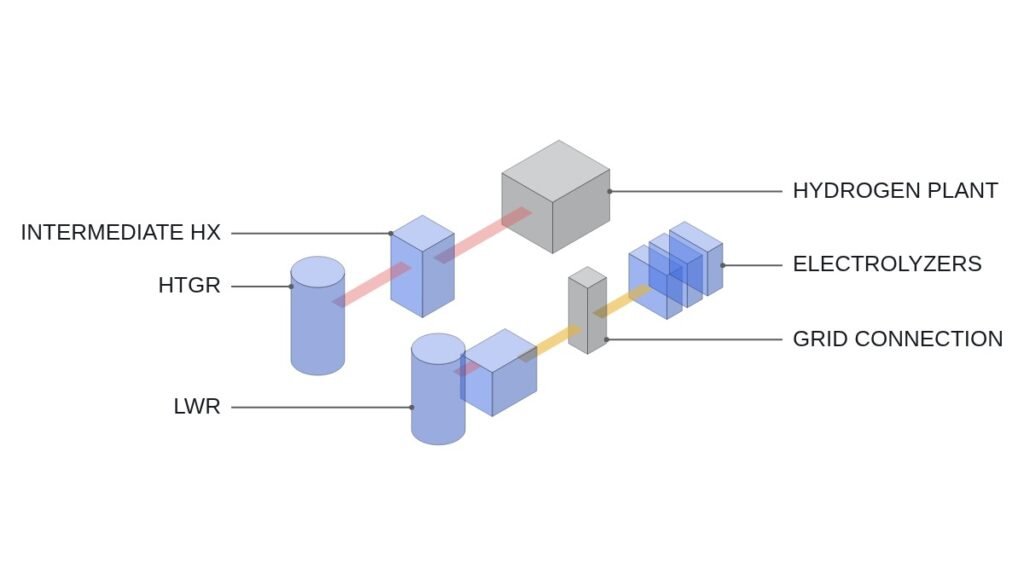
Nuclear Hydrogen: LWR Electrolysis vs HTGR Heat — Coupling Matters More Than Efficiency
LWR electrolysis, high-temperature steam electrolysis, and HTGR thermochemical routes compared by efficiency and reactor-to-hydrogen-plant coupling.
LWR electrolysis, high-temperature steam electrolysis, and HTGR thermochemical routes compared by efficiency and reactor-to-hydrogen-plant coupling.
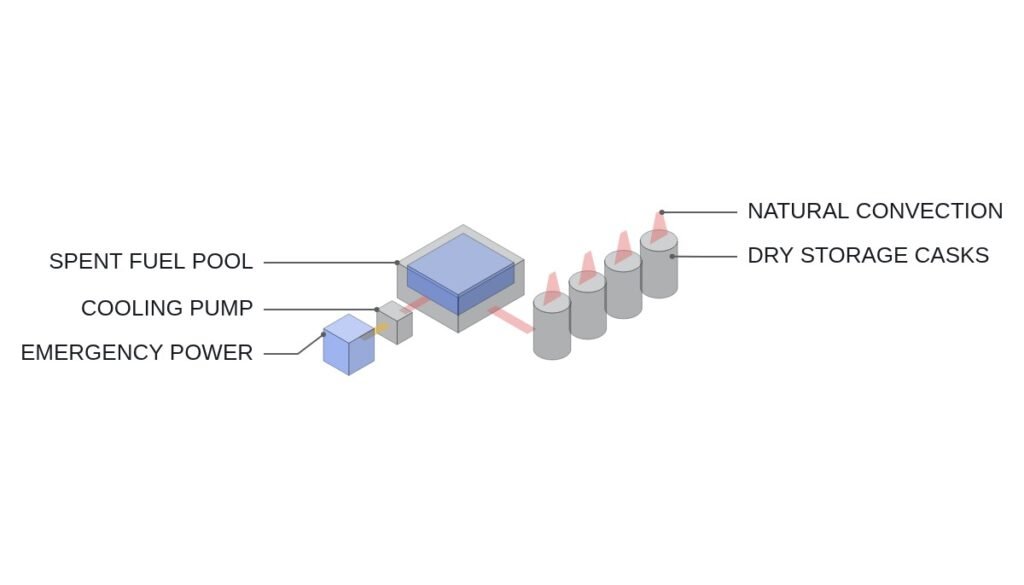
Pool storage and dry cask storage compared by decay heat and power dependence, with criteria for when the pool should be emptied.
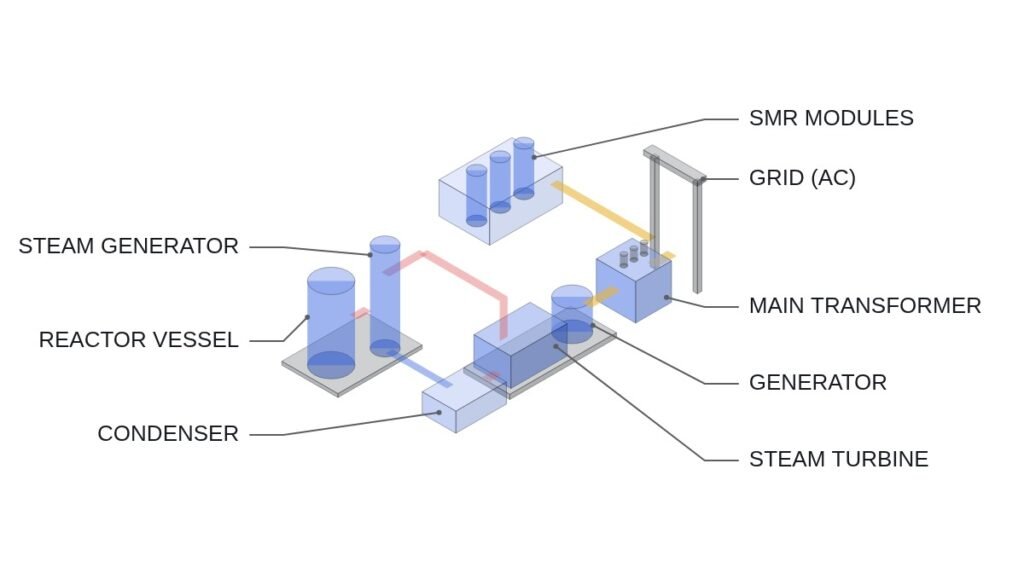
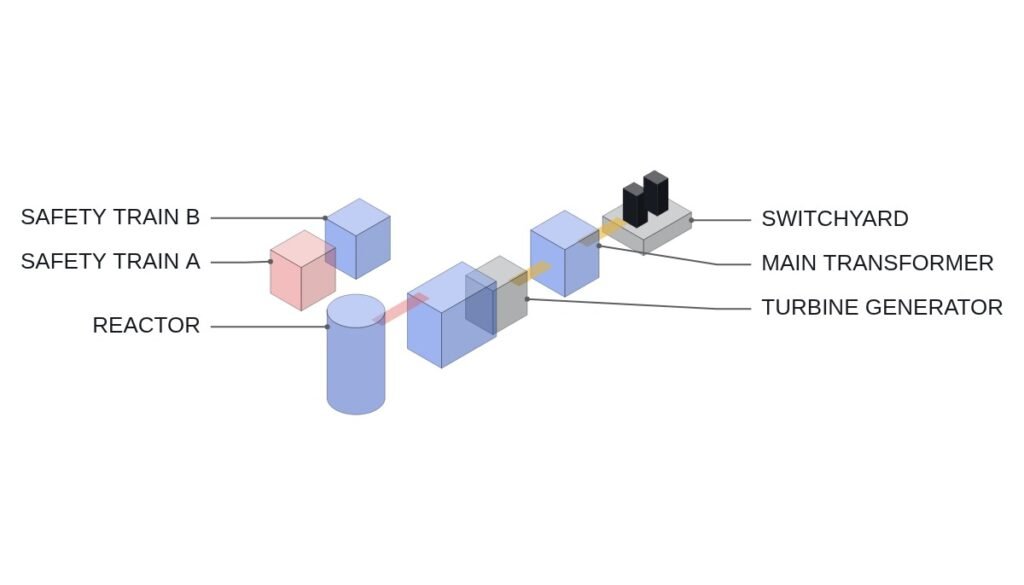
The basic structure of nuclear power, which uses fission heat to turn a turbine, and what sets the emerging SMR apart.
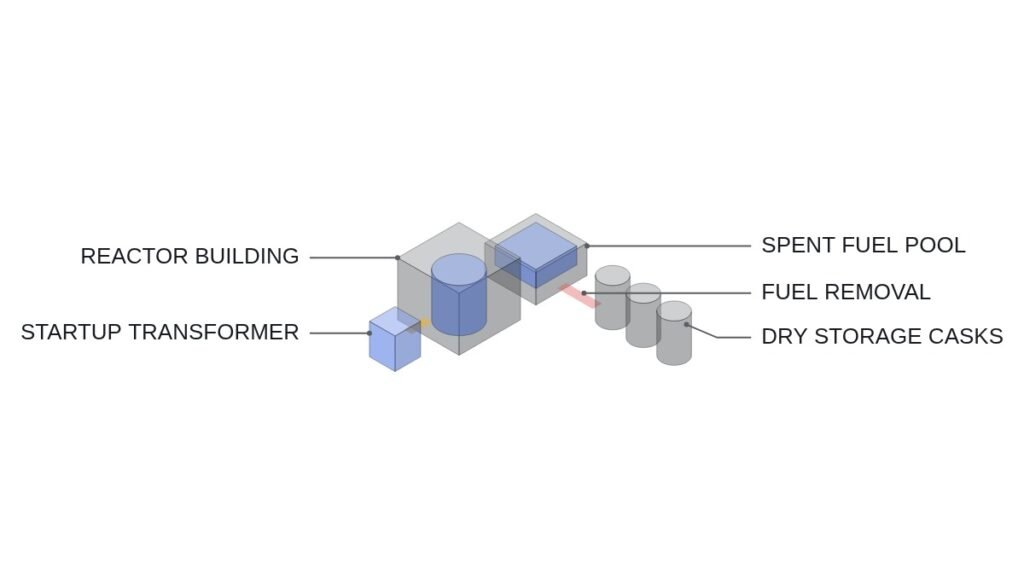
Immediate and deferred dismantling compared by Co-60 decay, staff and knowledge transfer, and when the electrical system can shrink.
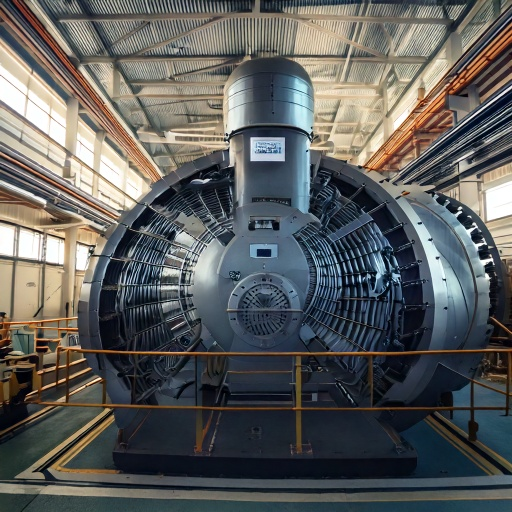
How heat produced in the reactor passes through each system before it becomes electricity: an overview of the main systems of a nuclear power plant.
Time availability calculated from fuel cycle and outage days to compare cycle extension against shorter outages and fewer unplanned shutdowns.
The core of a nuclear power system is redundant design of its cooling and safety systems. That multiple-backup structure sets both safety and construction cost.
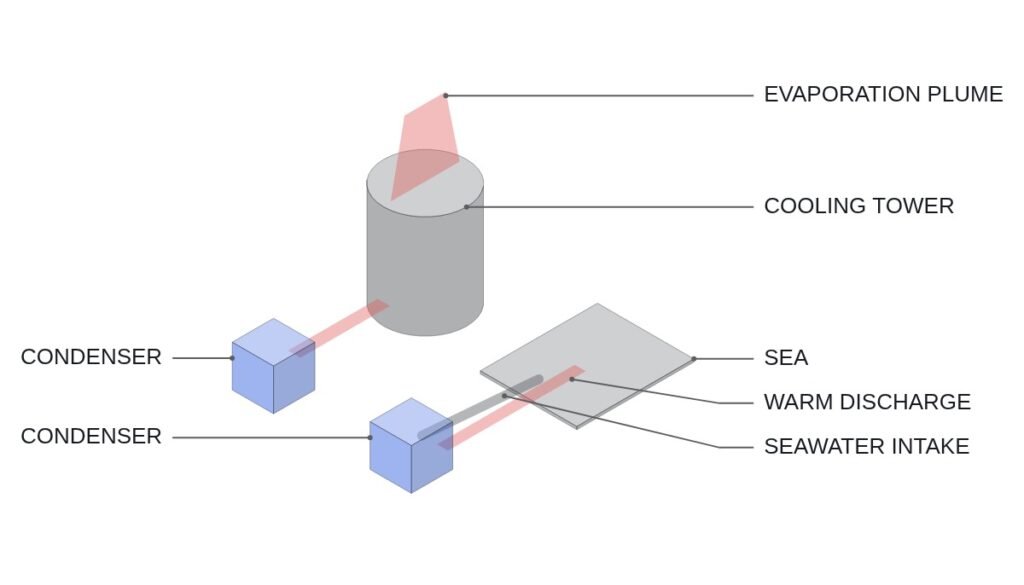
Once-through seawater and wet cooling towers compared by water flow, evaporation, and summer derating risk, with conditions that favor inland siting.
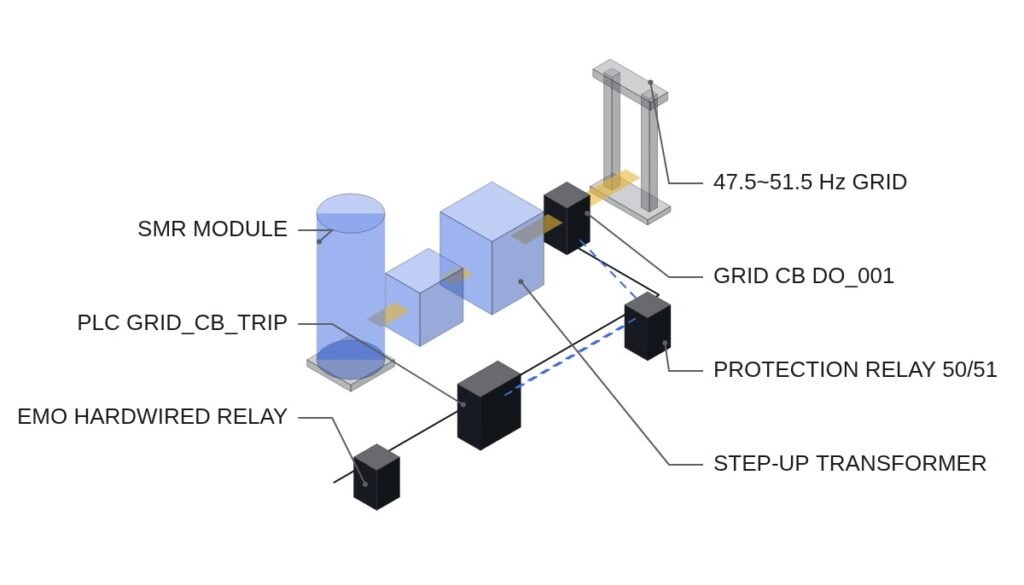
With Gijang, Busan confirmed as the i-SMR demonstration site, a safety interlock checklist and example I/O map to review before grid interconnection design.
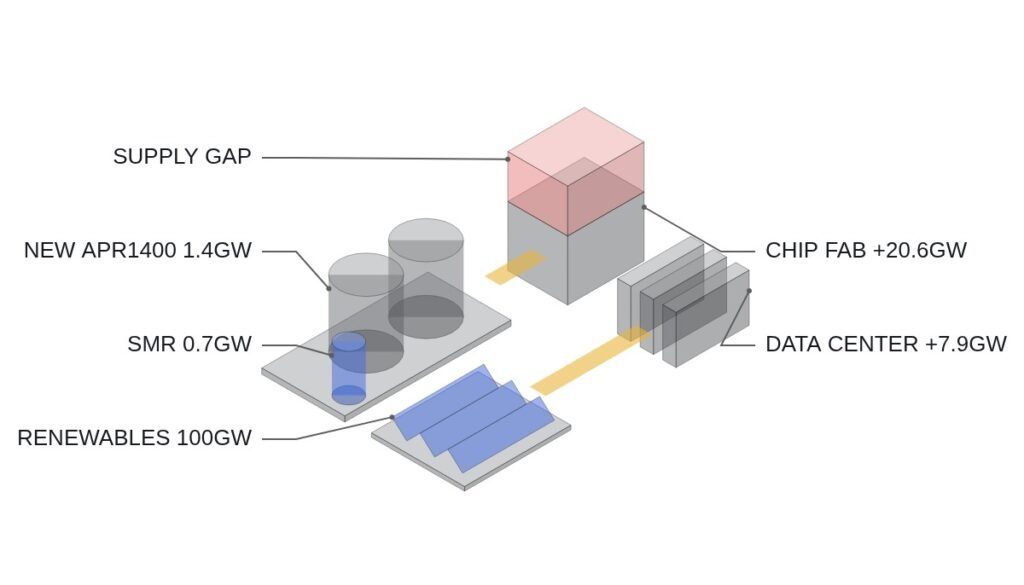
With the 2040 target peak load raised by the equivalent of 19 reactors, every delay in deciding on new nuclear plants adds to the risk of a supply gap in the late 2030s.